Andy Warhol exhibition at Djanogly Gallery ends today
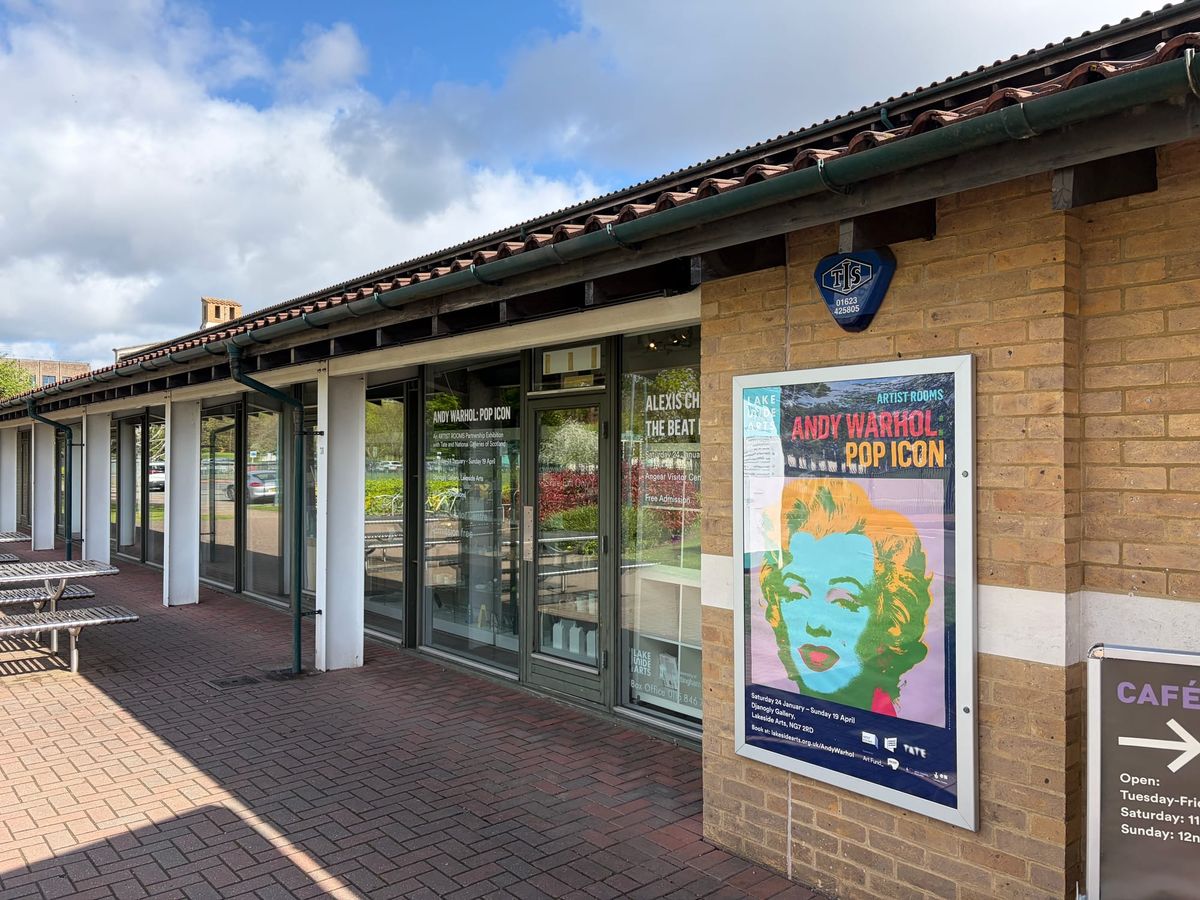
Final day for the Andy Warhol: Pop Icon exhibition at Nottingham’s Djanogly Gallery, where visitors can see famous works alongside early sketches and the story behind one of America’s most influential artists.

Morning briefing Nottingham
Temperature
6° to 14°C
Rain
Dry today
Wind
Gusts 17 mph
Sunset
20:10
Ride details Good to ride
Recommended gear
- Jacket
- Light layers
Best times to ride
Breezy today
- 06 6°
- 09 8°
- 12 12°
- 15 13°
- 18 13°
- 21 10°
The Andy Warhol: Pop Icon exhibition at Lakeside Arts' Djanogly Gallery is in its final day today.
Whether familiar with Andy Warhol or not, this exhibition does a good job introducing the artist and showing Warhol's perspective through his art. Across the five or so rooms, the curator has done a great job at telling us why the American was influential in his time, as well as highlighting the key and most interesting questions raised by his career.
In the opening room are some sketches. The first one that shows how different Warhol is, compared to the traditional idea of an artist, is a drawing of a man and a woman. Of this piece, he apparently said that he spent some time on their hands. Artists often struggle with hands, but making them realistic wasn’t the problem. Rather, he intended to reduce the expression in them, making the piece less revealing of its meaning.
In that same room is a Campbell's soup box illustration, one commissioned by the soup company. Many artists would see such a collaboration as dehumanising and cynical. This stepping away from traditional creativity was the cornerstone of much of his work: "I want to be a machine," he said. "Mechanical means are today, and using them I can get more art to more people."
It would be very interesting to hear Warhol's point of view on the criticisms of modern day AI-generated art. It's certainly possible his perspective would be different from many in the industry today.
Another room tells some of the story of how he was shot in 1968 by a radical feminist. The reaction from the media and feminist groups was a topic of conversation with viewers. At the time, many in the media suggested he had it coming, after photographing "the most vulgar parts of depravity".
Some of that "vulgarity" is on display, though the tasteful nudes aren't shocking these days, and are in backrooms. There's no denying that Warhol had skill in his depicting the human body - another key interest of his. Parents may wish to keep a step ahead of their children as they go around the gallery if they want to avoid answering certain questions in public.
A number of children did enjoy the exhibition though. At least two eight-year-old children said they "loved it" on the 'Share your thoughts' cards. Others expressed how pleased they were that the small gallery had managed such a collection "in our home town & outside London".
Having these works on available to view is wonderful enough - there are some real recognisable pieces on display - but what struck me most is how good the biographical storytelling the exhibition is.